A 2026 gift guide for the young safecracker
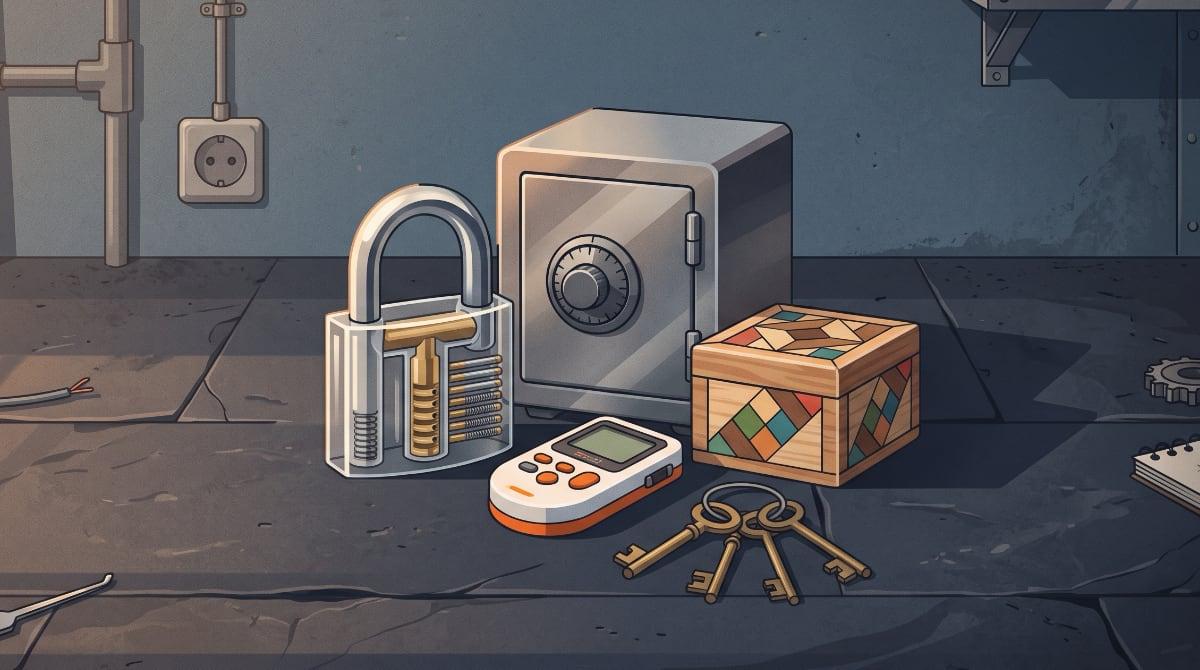
When my nephew was 13, I gave him a lock pick set. He was stoked. He called me to thank me for it.
If you've got a kid like that in your life, the one who takes the back off the remote to see what's in there and wants to know how a lock works so he can open it, this post is for you. A lock pick set is a great gift for that kid, and so is a lot of the stuff around it: safes, puzzle boxes, codes, gadgets that sound like they should be illegal, and the occasional escape room. Here's the wishlist I put together. You can use it as a starting point for your own by clicking the link under the list:
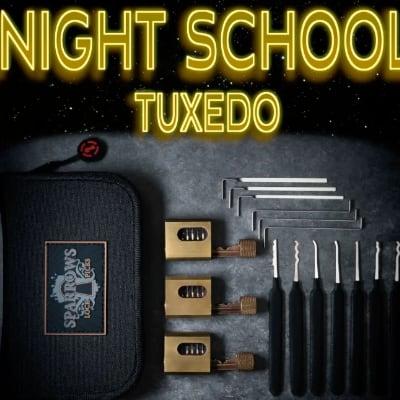 Sparrows Night School - Tuxedo EditionThe one with the see-through practice locks$95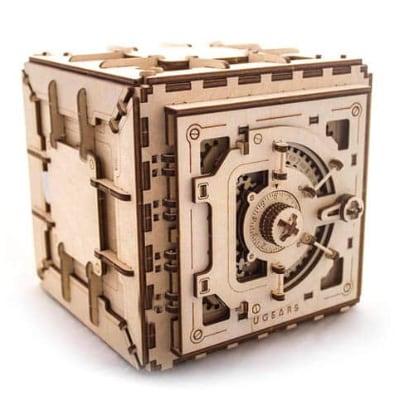
- A Japanese puzzle boxA real one from Hakone, with at least 7 steps
- An escape roomWith you. We have 60 minutes.
- The Code Book for Young People by Simon Singh
- A Kagen Sound puzzle boxSomeday
As an Amazon Associate, WishPoster earns from qualifying purchases.
The lock pick set
Sparrows is a lock pick maker in Chicago, and the Night School is its kit for learning. The Tuxedo Edition comes with 7 picks, 6 tension wrenches and 3 practice locks in a case, and you can get it set up for a right-handed or left-handed kid. The practice locks are the reason to get this one. Each has a window cut in the side so you can watch the pins move while you pick it, and the three locks get harder as you go, from standard pins to serrated pins to spool pins. BosnianBill's LockLab, a lock picking review site, gave the original Night School a 9.3 out of 10 and called it a bargain for beginners, since you don't have to go hunting for harder locks to practice on.
If you're wondering whether this is legal: picking a lock you own is legal, and in most of the US so is owning picks. A few states have stricter rules about carrying them, and TOOOL, the lock picking nonprofit, keeps a page on lock pick laws that's worth a look. The hobby has its own rules too. TOOOL calls this one the most important: only open locks you own or have the owner's permission to open. Lock pickers add a second one, which is don't pick a lock you rely on, like your front door, because you can break a lock while you're picking it. The practice locks in the kit are there so he can follow both.
The gadget
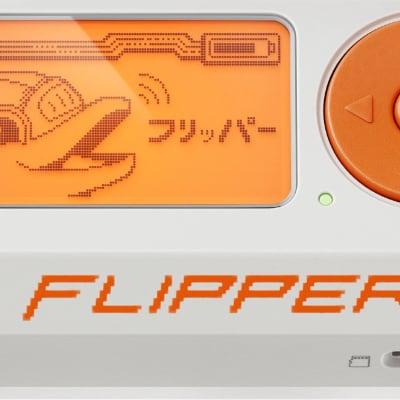
The Flipper Zero is the electronic version of a lock pick set. Its maker calls it "a portable multi-tool for pentesters and geeks in a toy-like body" (pentesters are the people companies pay to break into their own systems). It reads, saves and replays the radio signals used by garage doors, doorbells and older car key fobs, reads and copies key cards and badges, and works as a universal remote for TVs and air conditioners. It can't touch credit card payments, and it can't open modern cars, which change their codes every time you use the fob. There's also a pet dolphin that lives on the screen, and it levels up and stays happy when you use the Flipper to read keys, cards and remotes.
It's legal to own in the US, but it's had some trouble. Amazon banned it in 2023 as a card skimming device, which Flipper says it isn't, so the real one is sold on Flipper's own site and the listings on Amazon are resellers. In 2024 Canada announced it would ban the Flipper to fight car theft, then backed off a month later and went after illegal use instead. The lock picking rule applies here too: only use it on things you own.
The safe
The Ugears Safe is a wooden model kit made in Ukraine. It's 179 pieces, needs no glue, and takes about six or seven hours to build. The finished safe has a working three-digit combination lock, and the builder sets the combination during assembly. You open it like a real safe: left to the first number, right to zero and then on to the second, left to the third, and it clicks open on its own. Ugears rates it 14 and up because of the small parts.
The puzzles
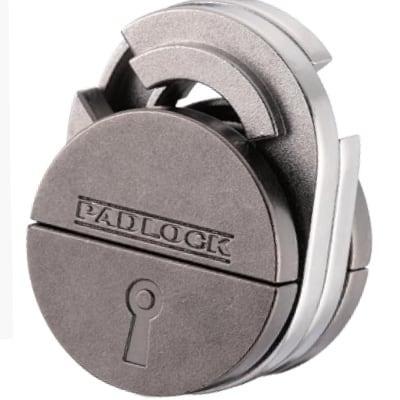
Hanayama is a Japanese company that makes cast metal puzzles, rated for difficulty from 1 to 6. The Padlock is a level 5. It looks like a sturdy padlock, and inside it's two oval pieces locked around round ones that you have to get apart and then put back together. The designer, JinHoo Ahn, gave it the theme "obstinacy."
Japanese puzzle boxes, called himitsu-bako, go back almost 200 years to Hakone, a hot spring town where they were sold to tourists as souvenirs. They're covered in a wood mosaic called yosegi-zaiku, and they only open if you slide the panels in the right order. A simple one takes a few moves, and an elaborate one can take 60 or more. The note on the list asks for a real one, because there are a lot of cheap copies out there. Look for one made in Hakone and sold by its number of steps.
The experiences
The escape room doesn't have a link because there's probably one near you. It's an hour of locks, codes and hidden compartments, and the note on the list says who's coming along.
TOOOL is The Open Organisation of Lockpickers, a nonprofit with chapters around the US. Its bylaws require meetings to be free and open to the public, and chapters usually meet monthly at libraries and maker spaces. The site doesn't say whether kids can come on their own, so if you've got a 13-year-old who wants to go, contact your local chapter and plan on going with him.
The books
Simon Singh's The Code Book is a history of secret codes, and he adapted it for teenagers as The Code Book for Young People. It goes from Mary, Queen of Scots, whose coded letters were cracked and used in the plot to execute her, to the Navajo code talkers of World War II.
Ghost in the Wires is Kevin Mitnick's memoir. At 12 he talked a bus driver into telling him where to buy a ticket punch, "for a school project," and used it with discarded transfers to ride the buses in Los Angeles for free. He grew up to be the most wanted hacker in the country, and the FBI caught him in 1995 after a two-and-a-half-year manhunt. He spent five years in prison, including eight months in solitary confinement, because law enforcement convinced a judge he could start a nuclear war by whistling into a pay phone. After he got out, he became a security consultant, getting paid to break into companies so they could fix the holes. The book is written for adults, so it's for the older end of this list.
Someday
Kagen Sound makes puzzle boxes out of wood in a workshop in Denver. He's won more awards at the International Puzzle Party than any other designer, and he's the only member of Japan's Karakuri Creation Group, a puzzle box guild, who isn't Japanese. His boxes come out in small batches and go for hundreds of dollars each, and some sell out very quickly. One of them, the Rune Cube, can be rearranged so it takes up to 115 moves to open. That's why the last item on the list just says "Someday."
In conclusion
Kids who want to get into things are pretty easy to shop for once you figure out what they're into: locks, safes, puzzles or codes. A wishlist lets them tell you which one. If you want to start one for your own young safecracker, the list above copies straight into a new WishPoster list with the Vault theme, the one where the big round vault door spins its dial and swings open to a pile of gold. Or start a list from scratch and let them fill it in. Just don't expect them to tell you the combination.
Ready to make your own wishlist?