A 2026 gift guide for making a room cozy
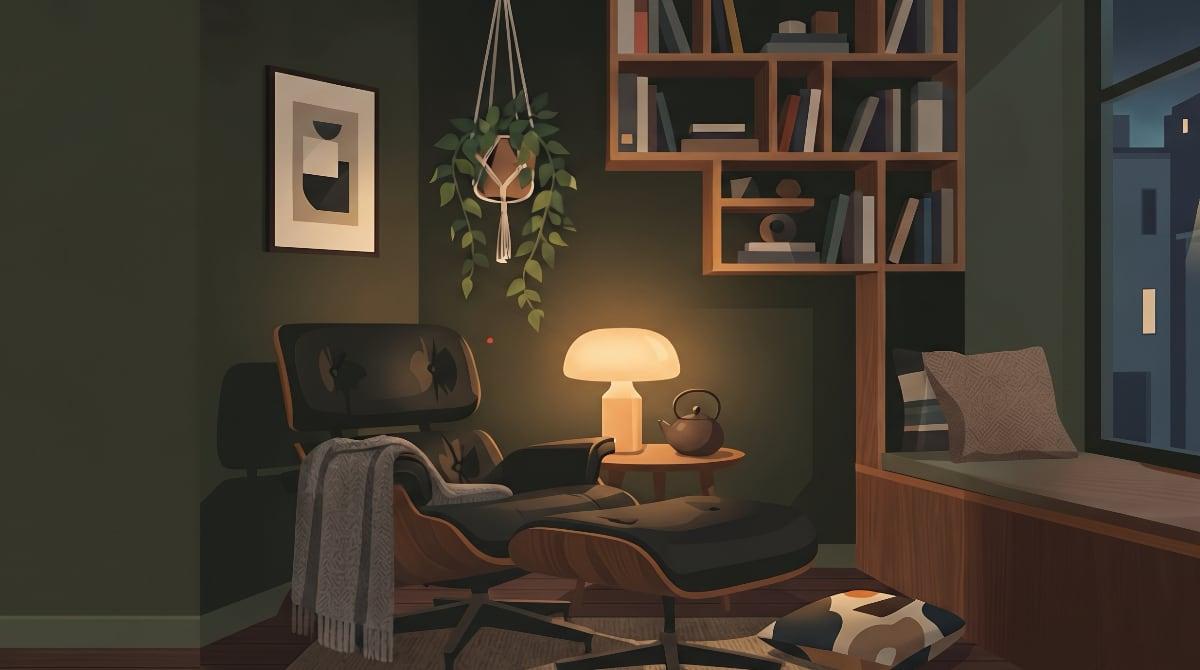
Here's a wishlist for making a bedroom, library or den feel more inviting, from a pothos up to an Eames lounge chair. Pick the items you want with "Add to wishlist," or take the whole list with the button at the bottom:
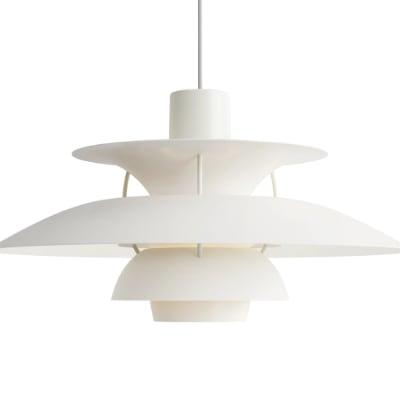
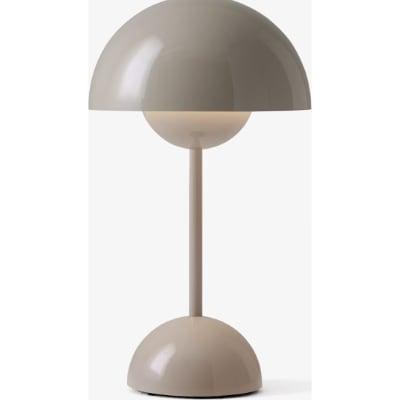 &Tradition Flowerpot VP9 portable lampFor the window seat, where there's no outlet$360
- Warm white fairy lightsThe battery kind with a timer, for the top of the bookshelf
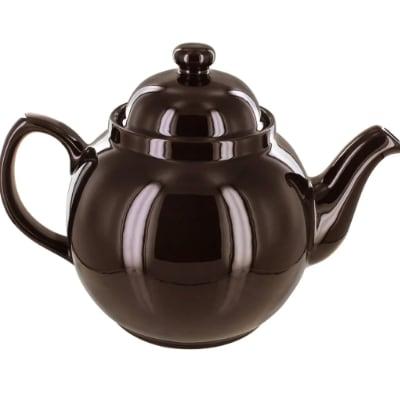 Brown Betty teapot, 4 cup
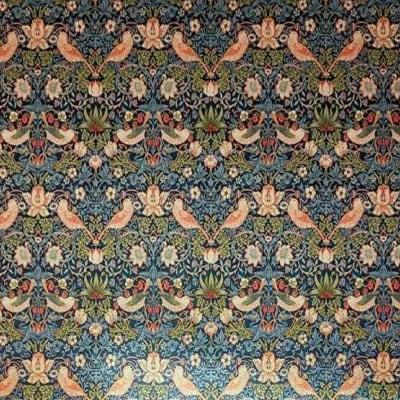 Morris & Co. Strawberry Thief wallpaperEnough for one wall of the den. The dark colorway.
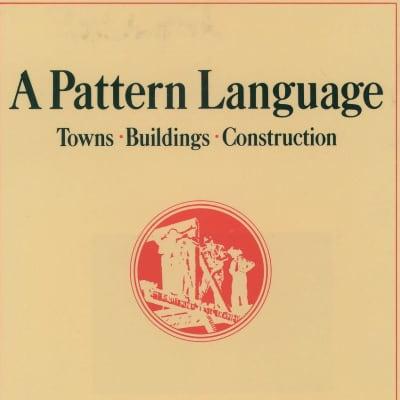 A Pattern Language by Christopher Alexander
- Home: A Short History of an Idea by Witold Rybczynski
- A golden pothos and a macramé hangerFor the corner by the window
- A bigger bed for the dogBig enough to stretch out in the sun spot
- An upholstery classSo I can redo the armchair from the thrift store
As an Amazon Associate, WishPoster earns from qualifying purchases.
The light
Poul Henningsen designed the PH 5 for Louis Poulsen in 1958. PH is his initials, and 5 is for the 50 cm main shade. The shades are stacked so you can't see the bulb from any normal angle, and Henningsen meant it to give the same glare-free light whatever bulb you put in it, since bulbs kept changing shape and size.
Verner Panton designed the Flowerpot lamp in 1968. The VP9 is the small cordless version: it runs about 10 hours on a charge and has a touch dimmer, so it can sit on a window seat or a bookshelf with no cord running to the wall.
The throw and the teapot
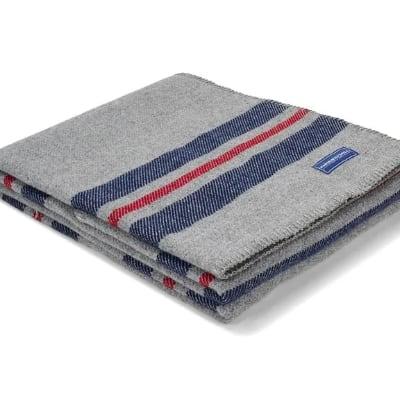
Carl Klemer started the Faribault Woolen Mill in Faribault, Minnesota in 1865. It made army blankets in both world wars, and when it closed in 2009 it was making more than half of the new wool blankets made in the US. Two cousins, Chuck and Paul Mooty, bought it and reopened it in 2011, and it's still weaving blankets on the Cannon River.
The Brown Betty comes from Stoke-on-Trent, England. In the late 1600s two Dutch brothers, John Philip and David Elers, refined the local red clay there to copy the Yixing teapots coming in from China, and the pot became the round, brown-glazed one in the 1800s. The Victorians credited the round shape with giving the leaves room to swirl as the water goes in, for a less bitter cup.
The wall
William Morris designed Strawberry Thief in 1883 after the thrushes that kept stealing strawberries from the kitchen garden at Kelmscott Manor, his house in Oxfordshire. It started as a printed cotton. Morris used indigo discharge printing, which he'd only gotten to work after moving his factory to Merton Abbey in 1881, and it was his first design to add red and yellow to the blue. That May he wrote to his daughter that he'd been "anxiously superintending the first printing of the Strawberry thief." Morris & Co. sells it as wallpaper now, in several colorways.
The books
A Pattern Language came out in 1977, by Christopher Alexander and his colleagues at the Center for Environmental Structure in Berkeley. It's 253 numbered patterns for towns, buildings and rooms, with names like Window Place and Alcoves. Pattern 159, Light on Two Sides of Every Room, says that "when they have a choice, people will always gravitate to those rooms which have light on two sides, and leave the rooms which are lit only from one side unused and empty" (read the pattern). Programmers know the book too: it inspired software design patterns and Ward Cunningham's WikiWikiWeb, the first wiki.
Witold Rybczynski is an architect, and Home (1986) is his history of the idea of comfort. He traces privacy and domesticity back to 17th century Dutch houses, and argues for smaller rooms and more privacy over decorative architecture.
Someday
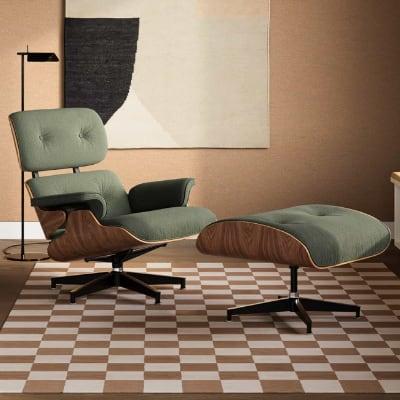
Charles and Ray Eames introduced the lounge chair and ottoman in 1956, on NBC's Home show with Arlene Francis. Charles said they wanted it to have "the warm, receptive look of a well-used first baseman's mitt." The shells are molded plywood, originally five layers and now seven. Herman Miller has made it ever since.
In conclusion
The list above copies straight into a new WishPoster list with the Reading Corner theme: a shelf of book spines against a dark walnut wall. Or start one from scratch for your own room.
Ready to make your own wishlist?