A 2026 gift guide for the train lover
Here's a wishlist for the grown-up train enthusiast. Note this is not little kid toy centric. Pick the items you want with "Add to wishlist," or take the whole list with the button at the bottom:
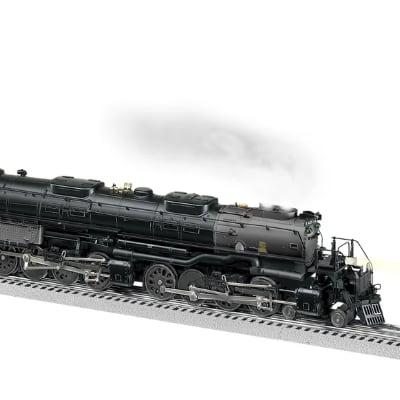 Lionel LionMaster Big Boy, Union Pacific #4014O gauge. The 4014, not one of the other numbers.$1,300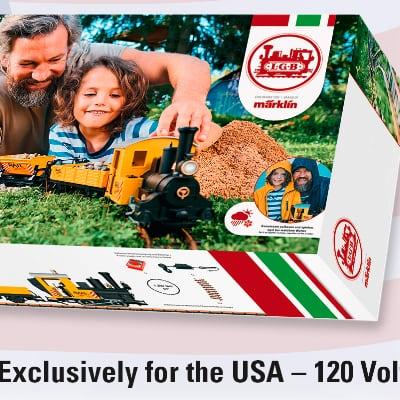
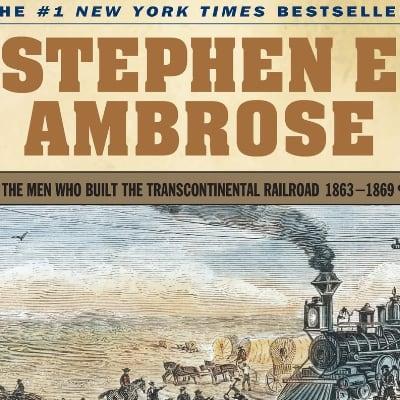 Nothing Like It in the World by Stephen Ambrose
- The Great Railway Bazaar by Paul Theroux
- An old railroad lanternA real one from an antique store. Red globe if they have it.
As an Amazon Associate, WishPoster earns from qualifying purchases.
The trains
The Big Boys were the biggest steam locomotives Union Pacific ever ran. The American Locomotive Company built 25 of them from 1941 to 1944 to haul freight over the Wasatch Mountains, and an unknown worker at the plant chalked "Big Boy" on the smokebox door of the first one, which is where the name came from. No. 4014 is 132 feet long with its tender and weighs more than a Boeing 747. It sat in a museum in Pomona, California for about 50 years before Union Pacific bought it back in 2013 and restored it. In May 2019 it ran under its own power for the first time in almost 60 years, and it's now the largest operating steam locomotive in the world. Eight Big Boys survive, and 4014 is the only one that runs. This year it toured the East and stopped in Philadelphia for July 4.
Lionel has made several Big Boys. LionMaster is its line of steam engines sized down from full scale to run on smaller layouts, down to O31 curves, with fan-driven smoke and a flickering firebox.
LGB stands for Lehmann Gross Bahn, "Lehmann big train." Lehmann started making the line in Nuremberg in 1968, and it introduced G scale, the big trains on 45 mm track that people run outdoors in their gardens. LGB's sets revived garden railroading in the US. Lehmann went bankrupt in 2006, and Märklin bought the line in 2007. The Construction Site set (article 72503) is the version made only for the US, with a 120-volt power supply. It comes with a tank locomotive, a dump car and a low-side car, a full circle of track and a controller. LGB sells the same sets in Europe with 230-volt power supplies, so check the box says 120 volts.
The watch and the clock
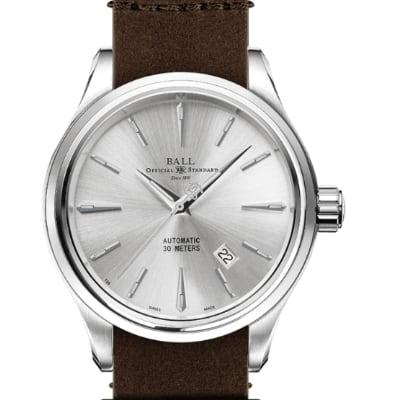
On April 19, 1891, a fast mail train and a passenger train collided at Kipton, Ohio, west of Cleveland, and eight people died. The passenger train's engineer had a watch that had stopped for four minutes and then started again. Railroad officials hired Webb C. Ball, a Cleveland jeweler, as their chief time inspector, to set standards for the watches train crews carried and a system for inspecting them. Ball's company still makes watches, now in Switzerland, and its Trainmaster line is named for that history.
Hans Hilfiker, an engineer for the Swiss Federal Railways, designed the Swiss station clock in 1944. Its red second hand goes around in about 58 seconds, then waits at the top for the pulse from a master clock that starts the next minute, which kept every clock in every station on the same second. Mondaine has made clocks and watches with the design under license since 1986, and the stop2go models copy the pause. Apple used a near copy of the face in the iPad clock app in 2012, and paid the Swiss railways a reported $21 million to keep using it.
The books
Nothing Like It in the World is Stephen Ambrose's history of the first transcontinental railroad, from 1863 to the golden spike at Promontory, Utah on May 10, 1869. The Central Pacific built east from Sacramento and the Union Pacific built west from Omaha, and the two raced each other for government money paid by the mile.
Paul Theroux spent four months in 1973 riding every train he could from London to Japan, and came back across Russia on the Trans-Siberian. The Great Railway Bazaar came out in 1975 and sold about 1.5 million copies. In 2006 he retraced the trip for a second book, Ghost Train to the Eastern Star.
The experiences
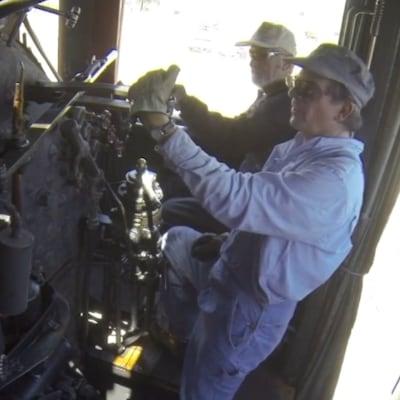
The Nevada Northern Railway in Ely, Nevada, was built in 1905 and 1906 to haul copper ore. Kennecott, the mining company, later donated the line and its East Ely shops, which became a National Historic Landmark in 2006. It's now a museum, and its Be the Engineer program puts you at the throttle of one of its steam locomotives. You study the rules and hand signals, pass a written test, and then run the engine 14 miles round trip up the Keystone Branch, through two tunnels, with a certified engineer next to you and a fireman shoveling coal. You have to be 18 and have a driver's license, and one more person 12 or older can ride in the cab. It starts at $894 for museum members, and gift certificates are available.
The California Zephyr runs about 2,438 miles from Chicago to Emeryville, across the bay from San Francisco, in two nights. It goes through Glenwood Canyon, under the Continental Divide through the 6.2-mile Moffat Tunnel, and over Donner Pass in the Sierra Nevada. A roomette is two seats that fold into bunks at night, and sleeper fares include your meals.
Someday
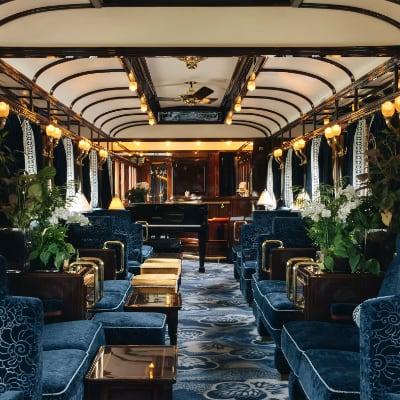
In 1977, Sotheby's auctioned a set of old Wagons-Lits sleeping and dining cars in Monte Carlo. James Sherwood bought most of them, restored them, and in 1982 started running the Venice Simplon-Orient-Express. Most of the sleeping cars are from 1929 and originally ran on trains like the Train Bleu and the Rome Express. Since 2024 the train runs from Paris, and a one-way trip to Venice costs about €4,500 per person, sharing a two-berth cabin, with meals included.
In conclusion
The list above copies straight into a new WishPoster list with the Steam Train theme: a steam engine crossing a wooden trestle at sunset. Or start one from scratch and let them fill it in.
Ready to make your own wishlist?