A 2026 gift guide for the prepper
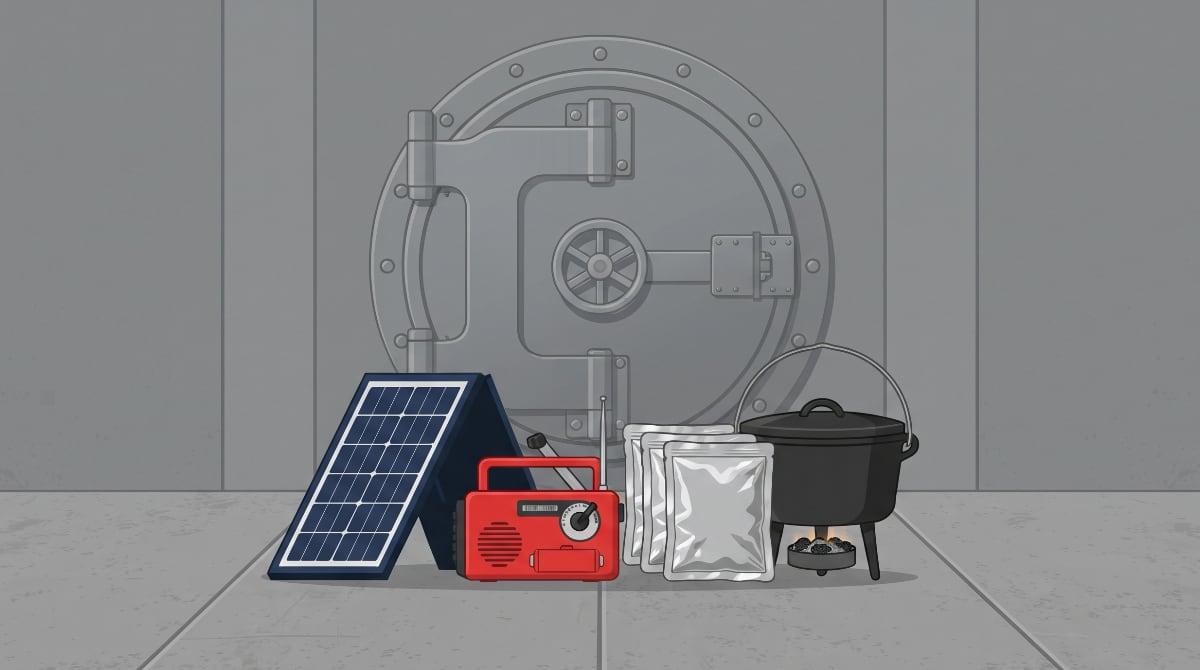
In the first two days of September 1859, the strongest geomagnetic storm on record hit Earth. Telegraph systems across Europe and North America failed, operators got shocks from their equipment, and one Boston-to-Portland line ran for about two hours on current from the aurora alone. A 2013 Lloyd's of London study estimated a storm like that would cost the U.S. $600 billion to $2.6 trillion today, and one that size missed Earth by about nine days in July 2012. In January, the Bulletin of the Atomic Scientists set the Doomsday Clock at 85 seconds to midnight, the closest it's ever been.
Here's a wishlist for a prepper. Pick the items you want with "Add to wishlist," or take the whole list with the button at the bottom:
 The Knowledge by Lewis Dartnell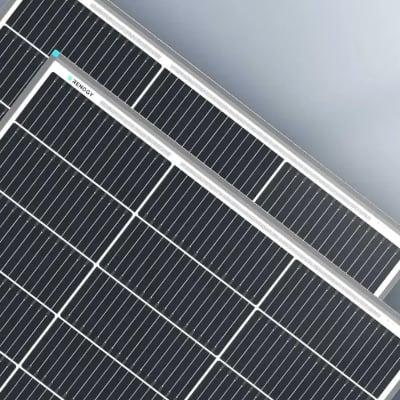
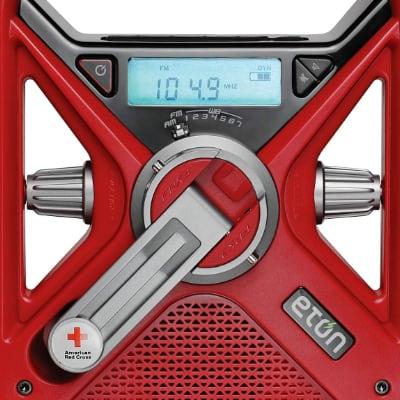 Eton American Red Cross FRX3 hand-crank radio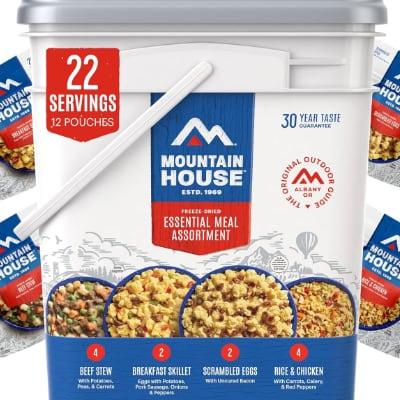
- Where There Is No Doctor
- A Seed Savers Exchange membershipAt the level that comes with the print Yearbook
- My ham radio Technician licenseHelp with the exam and FCC fees
As an Amazon Associate, WishPoster earns from qualifying purchases.
The books
The Knowledge came out in 2014. Its author, Lewis Dartnell, is an astrobiologist, and the book is a thought experiment about what survivors would need to know to restart civilization. He describes a "grace period" when people could live off food, materials and tools salvaged from the ruins, and then what has to come after it: growing food, making tools, fighting infection and producing energy. The U.S. paperback is subtitled How to Rebuild Civilization in the Aftermath of a Cataclysm.
Where There Is No Doctor is a health care handbook for places without one. David Werner wrote it from his work at Project Piaxtla, a village health program in western Mexico. It came out in Spanish in 1970 as Donde No Hay Doctor, has been translated into more than 100 languages, and is still published by Hesperian, which also offers it as a free PDF.
The solar kit
Yi Li started Renogy while she was getting her PhD at Louisiana State University, with help from LSU's Business and Technology Center. She moved it to California, where its first warehouse opened in Chino in 2010.
The starter kit is two 100-watt panels, a 30-amp charge controller and the wiring to connect them. Renogy says it makes about 500 watt-hours a day with five hours of direct sun, and it can grow to 400 watts by adding more of the same panels. The battery isn't included. The controller works with sealed, gel, flooded and lithium batteries.
The radio
The National Weather Service runs NOAA Weather Radio, more than 1,000 transmitters that broadcast warnings, watches and forecasts 24 hours a day. The FRX3 picks up those bands along with AM and FM, and its alert setting turns the radio on when a warning goes out. It charges from a built-in solar panel, a hand crank or USB, and it can charge a phone. A minute of cranking gives 10 to 15 minutes of radio and flashlight.
The food
Oregon Freeze Dry started in 1963 freeze-drying fruit for breakfast cereal. In 1966 it won a contract to make Long Range Patrol rations for the Vietnam War. Leftover rations sold out at sporting goods stores, so in 1969 it launched Mountain House for campers. The brand added a 30-year taste guarantee in 2024. Early in the pandemic, its website orders rose 208.6% in the last week of February 2020 compared with the week before.
The freeze dryer
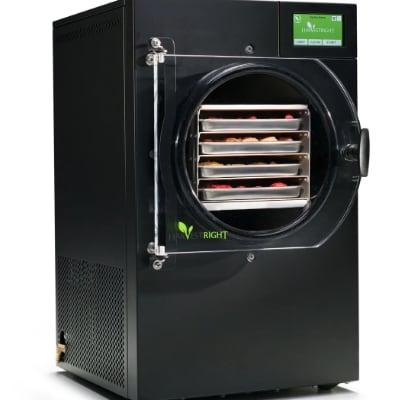
Freeze-drying freezes the water in food into ice, then lowers the air pressure so the ice turns straight into vapor without melting. The Incas did a version of it with potatoes in the cold, thin air of the Andes. Harvest Right, a Utah company, makes a version that plugs into a kitchen outlet and says what comes out of it can last up to 25 years.
The seeds
Baptist John Ott gave his granddaughter Diane Ott Whealy seeds from two plants his parents had brought from Bavaria when they moved to Iowa in 1884: a morning glory and a pink tomato. In 1975 she and Kent Whealy started Seed Savers Exchange to keep varieties like those alive. Its seed bank is on an 890-acre farm near Decorah, Iowa, and holds about 20,000 varieties. Members at the $50 level and up get the print Yearbook, the annual print edition of its member seed exchange.
The Dutch oven
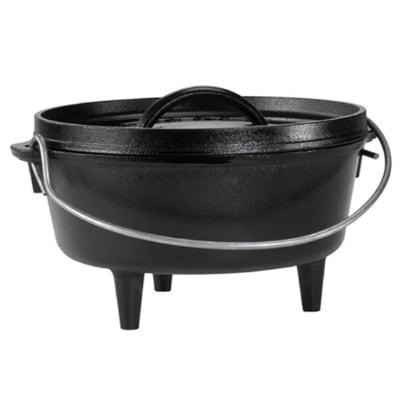
Joseph Lodge opened the Blacklock Foundry in South Pittsburg, Tennessee, in 1896. It burned down in May 1910 and reopened three months later down the road as Lodge, and the Lodge family still runs it. The camp version stands on legs over coals, and its flanged lid holds hot coals on top or flips over to use as a griddle.
The license
A Technician license is the entry-level ham radio license. The exam is 35 multiple-choice questions, and 26 right is a pass. Since April 19, 2022, the FCC has charged a $35 application fee on top of the $15 session fee the volunteer examiners collect. For test-takers under 18, the ARRL covers the $35.
The course
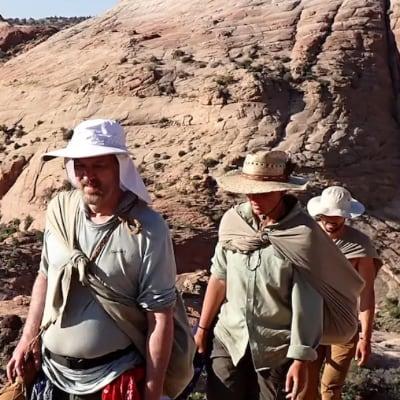
In 1968, a Brigham Young University professor named Larry Dean Olsen started taking struggling students into the wilderness, and the first courses covered more than 300 miles of southern Utah with very little gear. That became the Boulder Outdoor Survival School. On a Field Expedition, the gear list is roughly a wool blanket, a poncho, a knife, water bottles, a steel cup and clothes. Students sleep in shelters they build or outside and learn to start a fire with a bow drill.
The bunker
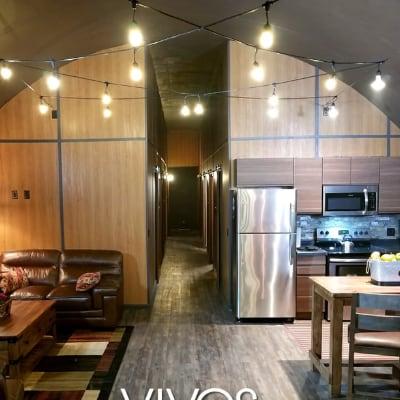
The Army Corps of Engineers built the Black Hills Army Depot south of Edgemont, South Dakota, to store bombs and munitions from 1942 to 1967. The bunkers sat empty until Vivos bought the land and turned its 575 bunkers into a survival community. A 99-year lease covers a bunker for up to 24 people, or $75,000 buys the bunker outright with 20,000 square feet of land around it. The bunkers come empty, and Vivos puts the cost of fitting one out at $10,000 and up, plus a generator, a composting toilet and a water filter.
In conclusion
The list above copies straight into a new WishPoster list with the Vault theme. Or start one from scratch.
Ready to make your own wishlist?