A 2026 gift guide for the floor plan lover
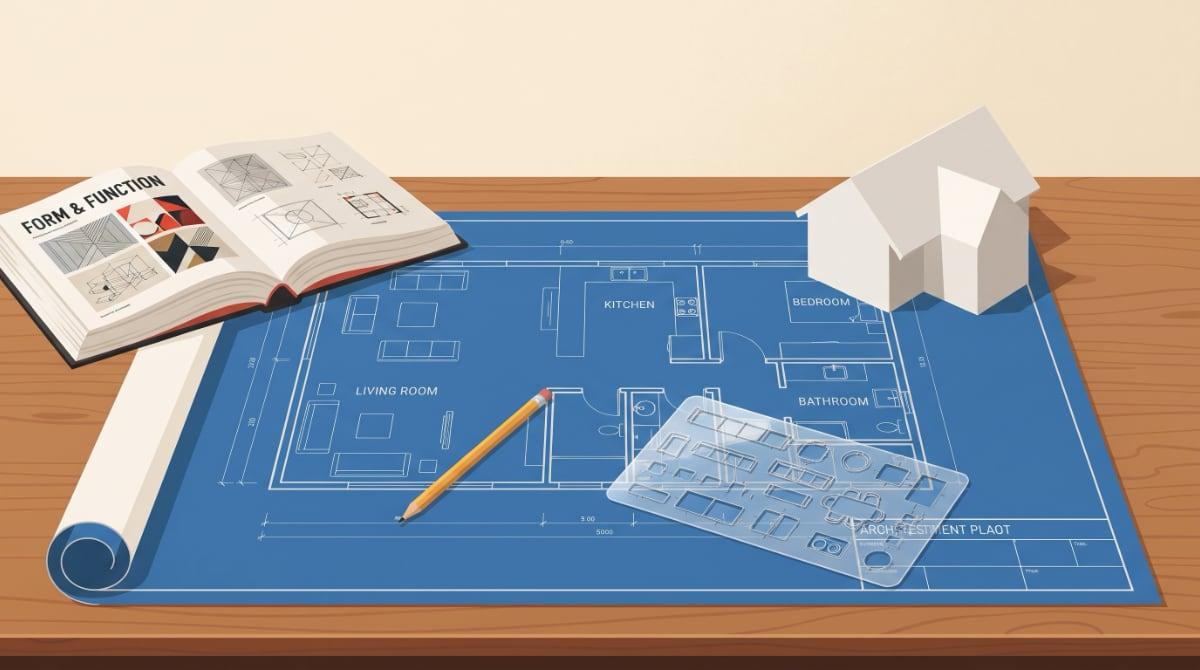
Zillow Gone Wild, an Instagram account of strange real estate listings, became an HGTV series hosted by Jack McBrayer in May 2024. This list is for the people who scroll past the photos on those listings to get to the floor plan, and who'll look just as long at a 1920s house catalog or the plans for an 1880s Manhattan apartment.
Pick the items you want with "Add to wishlist," or take the whole list with the button at the bottom:
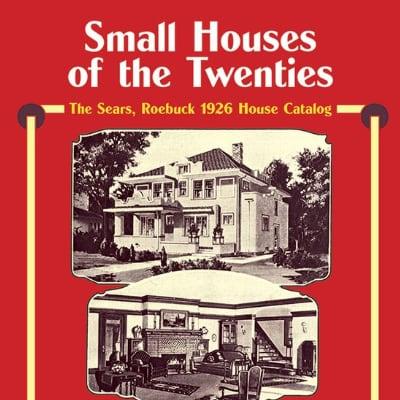 Small Houses of the Twenties: The Sears, Roebuck 1926 House Catalog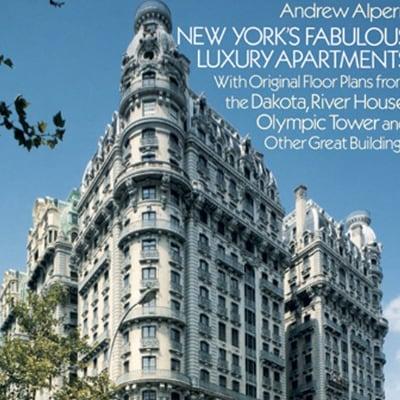
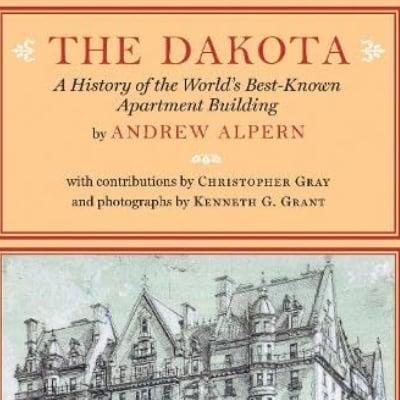 The Dakota by Andrew Alpern
 A Pattern Language by Christopher Alexander
- Alvin 1/4 inch scale home furnishings templateFor moving the couch on paper first$9.20
- An original Sears Modern Homes catalogAny year in the 1920s. Not a reprint
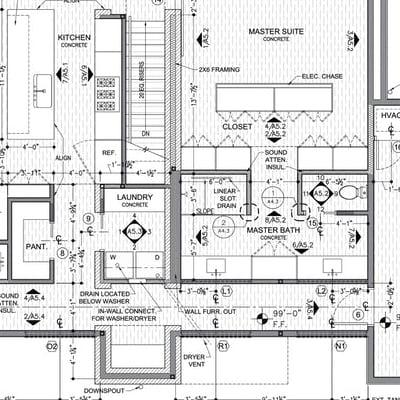 A drawn floor plan of the house I grew up inFramed, if you can
As an Amazon Associate, WishPoster earns from qualifying purchases.
The Sears catalog
From 1908 to 1942, Sears sold more than 70,000 houses as kits in more than 370 designs. Most went out by rail in boxcars, and the average kit was about 25 tons of material in more than 30,000 parts. Sears started offering mortgages around 1912, and in the Depression it had to absorb $11 million in defaulted loans and stopped writing them at the end of 1933.
Dover's paperback is an unabridged reprint of the 1926 catalog, with the floor plan for each house. Sears's sales records were destroyed, so there's no official count of the kit houses still standing, and the original catalogs are the record of what each model looked like.
The Manhattan apartments
Andrew Alpern is an architect and architectural historian who has written several books on New York apartment houses. New York's Fabulous Luxury Apartments is Dover's reprint of his 1975 book Apartments for the Affluent, with more than 100 floor plans and 73 Manhattan addresses, including the Dakota, River House and Olympic Tower.
His 2015 book The Dakota is about that one building. It was completed in 1884 for Edward Clark, a co-founder of the Singer sewing machine company, and has more than 60 apartments, some with up to 20 rooms. The original architectural drawings have never been found, so Alpern and the architect Mia Ho recreated the floor plans from old rental plans and alteration drawings.
The manual
Floor Plan Manual Housing is a Birkhäuser reference book for architects. The fifth edition documents about 160 housing projects from around the world built after 1945, in 368 pages and 1,580 illustrations.
A Pattern Language
Christopher Alexander and his co-authors at the Center for Environmental Structure in Berkeley published A Pattern Language in 1977. It's 253 numbered patterns for building towns, neighborhoods and houses, each one a problem and a design that solves it (Pattern 88 is the street cafe). The book reached well past architecture: it was a major influence on Ward Cunningham's WikiWikiWeb, the first wiki, and Will Wright cited it as an inspiration for SimCity 2000.
The template
The Alvin template is a sheet of translucent plastic with 39 furniture and appliance cutouts at 1/4 inch to the foot, with a ruler along one edge. The holes are sized for a 0.5 mm pencil lead.
The Tenement Museum
A Prussian immigrant named Lukas Glockner built 97 Orchard Street on the Lower East Side in 1863 with 22 apartments. Each was three rooms in about 325 square feet, and at first only one of the three rooms had a window. An estimated 7,000 people from more than 20 countries lived there before 1935, when the landlord evicted the tenants and sealed the upper floors. The museum has restored several of the apartments to specific families' years in the building, and you can only see them on a guided tour of up to 15 people.
In conclusion
The list above copies straight into a new WishPoster list with the Minimalist theme. Or start one from scratch.
Ready to make your own wishlist?