A mahjong wishlist for America's second mahjong craze
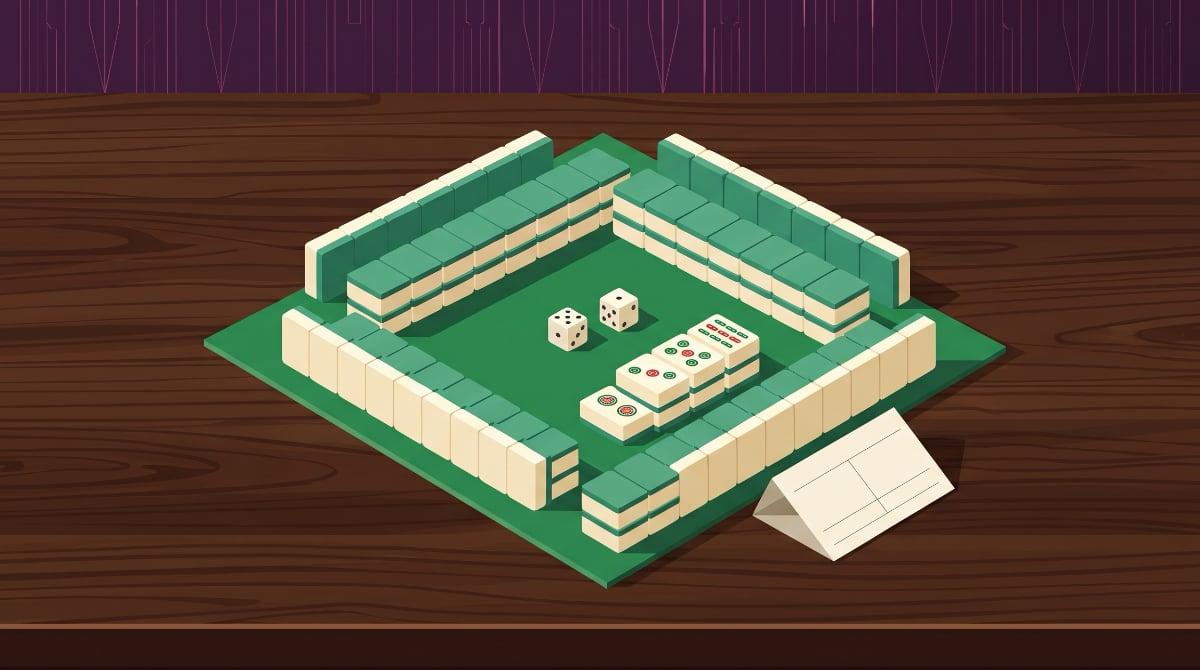
In the early 1920s, the first imported mahjong sets sold out at Abercrombie & Fitch in New York. They were popular Christmas gifts, at $10 to $400 a set in Los Angeles. In the first nine months of 1923, almost $850,000 worth of sets were sold, and people played enough that by early January 1924, optometrists were reporting "Mah Jongg Eye." By early 1925 the fad had collapsed. A century later, it's back: between September 2024 and August 2025, Yelp searches for mahjong clubs went up 4,467%, and searches for lessons went up 819%.
This wishlist is for someone in that second wave, whether they've played for decades or just signed up for a first lesson. It has nine tile sets (American, designer, Chinese, Japanese and a 1920s antique), racks, a mat, the yearly rule card, three books, lessons and an automatic table. The listed prices run from $14 for the National Mah Jongg League's card to $1,750 and up for the table, with a 1920s set, a hand-carved set from Hong Kong and a mountaintop mahjong retreat for someday. Pick the items you want with "Add to wishlist," or take the whole list with the button at the bottom:
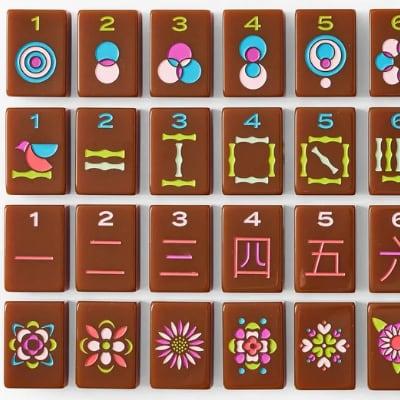
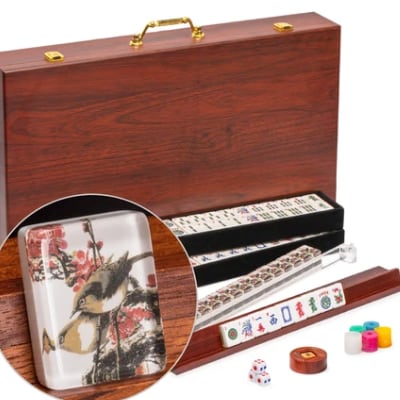
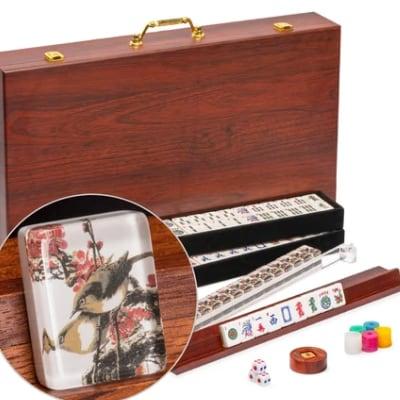 Yellow Mountain American mahjong set, Little BirdieThe one with a sparrow on the back of every tile.$313.99
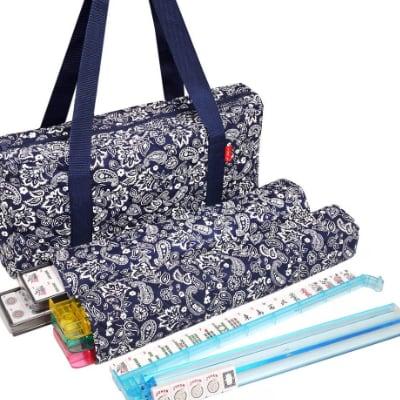 Linda Li American mahjong set, white tilesClassic white tiles, with the racks built in.
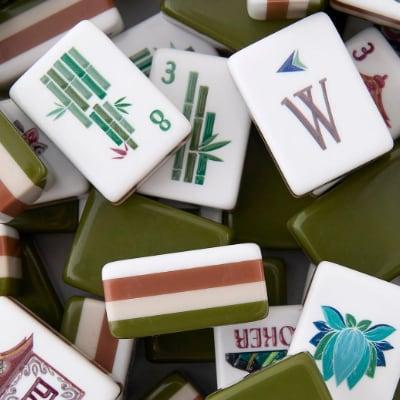
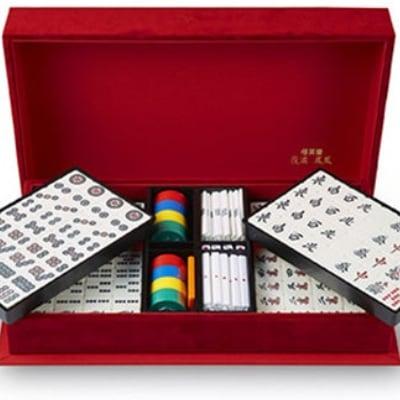
- A 1920s mahjong setBone and bamboo, from the first craze. I'll add joker stickers.
- A hand-carved set from Biu Kee Mahjong, Hong KongSomeday, in person.
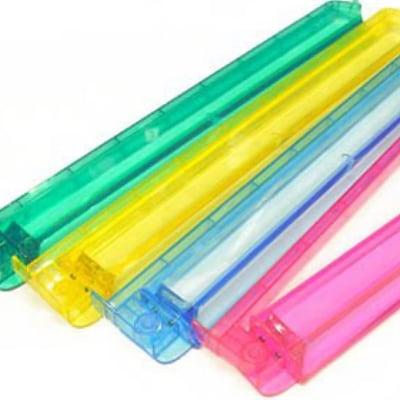 Acrylic racks with pushers, set of 4
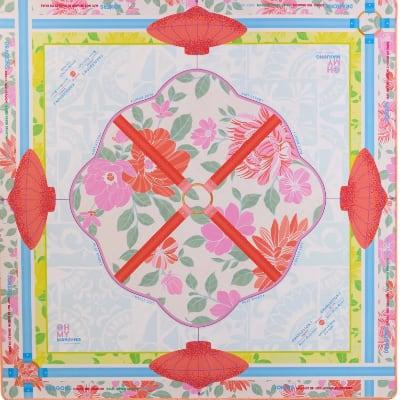
- 2027 National Mah Jongg League cardStandard size. I know it won't come until spring.$14
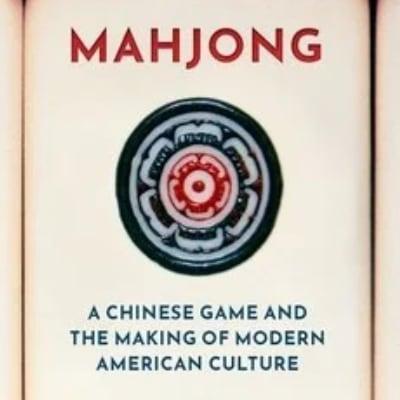 Mahjong: A Chinese Game and the Making of Modern American Culture by Annelise Heinz
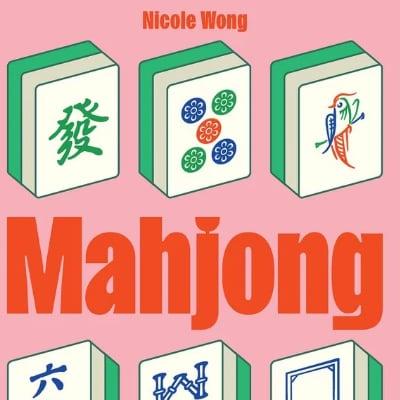 Mahjong: House Rules from Across the Asian Diaspora by Nicole Wong
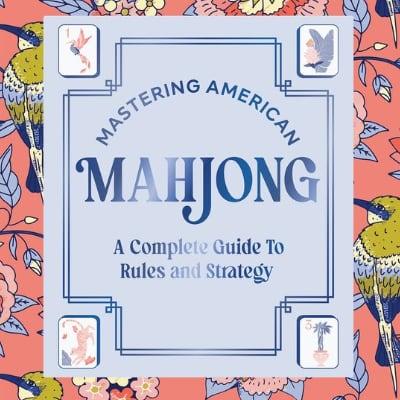 Mastering American Mahjong by Megan Trottier
- Camp Mahj at the Broadmoor's Cloud CampTwo nights of mahjong in the Colorado mountains. Someday.
- An automatic mahjong tableOne that takes American tiles and jokers. Someday.$1,750 and up
Some links above earn WishPoster a commission. As an Amazon Associate, WishPoster earns from qualifying purchases.
The card that outlasted the fad
The first boom ended, but some of the players didn't. In 1937, a group of suburban Jewish women formed the National Mah Jongg League to standardize the game. It started with 32 members and today counts more than 350,000. Every year it puts out a new card of the hands that count as a win. As the historian Annelise Heinz, whose history of mahjong in America is on this list, put it on OPB, "to keep it fresh, they change it every year." The card is what American mahjong is built on. Its proceeds go to charities, 27 of them on the League's current list, including St. Jude and Meals on Wheels.
The new card is mailed out in March and April, so the 2027 card on a Christmas list is a promise for spring. Orders placed in January and February go out first. Counterfeits are a problem too: a long-running mahjong FAQ warns about "unscrupulous Amazon and Temu vendors" selling fake cards, which is why the card on this list links to the League's own store.
Since 2025 there's been a second card. Oh My Mahjong, whose tiles and mat are also on this list, put out an International Mahjong Card with guidance on playing with blank tiles. Like the League, it gives to charity: 15% of the card's sales go to Alzheimer's organizations. Its first edition went on presale in November and shipped after January 2, which is closer to Christmas than the League's March and April mailing.
What makes a set American
The card also decides what goes in a set. American hands use jokers, which the League first required in 1960-61, and a set built for the card has 152 tiles, eight of them jokers. That's also what the racks on this list are for: each player's rack holds their tiles, their jokers and their card. A set made for Chinese or Japanese play has no jokers and won't work with the card, so check that a set says "American" before buying it for someone who plays the card.
Within those rules there's room for a lot of looks, from Linda Li's plain white tiles to Yellow Mountain's Little Birdie set, which has a sparrow painted on the back of every tile. The word "mahjong" means "sparrow" in southern Chinese dialects, after the bird-like clacking the tiles make when they're shuffled.
The rules reach the table too. Many automatic tables are built for Chinese or Japanese sets, and most of them can't be used for American mahjong, so a table for someone who plays the card has to take 152 tiles with jokers. Even then, the table only shuffles and builds the walls underneath. The players still deal and do the Charleston, the pass of tiles that opens every American game.
Sets from the first boom
The 1920s sets came from before the jokers, so collectors who play them add jokers with stickers, according to Carol Ann Harper, a collector of vintage sets. She has a few things to look for: bone and bamboo sets were priced by the thickness of the bone, and "the more accessories that accompany a set, the greater its value." The best ones are "inching closer to $2,000."
The bone in those sets was often American: cow bones were collected from U.S. slaughterhouses and shipped to China to be carved into tiles. Abercrombie & Fitch, where the first imported sets sold out, went on to import and sell more than 40,000 sets in one ten-year stretch.
No more Chinese than chop suey
The first boom sold the game as Chinese while keeping it away from Chinese people. Heinz says marketers "separated it from contemporary Chinese immigrants and elevated it in terms of class and status." Charity hosts hired Chinese young women in traditional dress to teach players, and society matrons played in Chinese robes. The man who owned the name said the opposite. Joseph Babcock, the Standard Oil man who trademarked the spelling "Mah-Jongg," called the game "no more Chinese than chop suey," and Chinese students at USC objected.
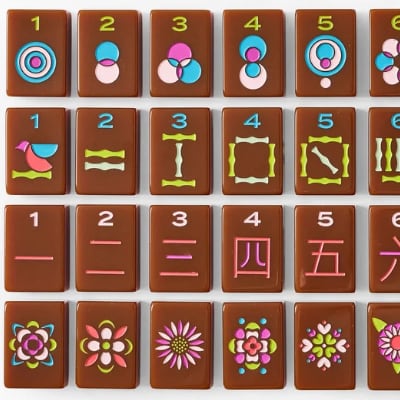
In the second boom, a company took the Chinese off it. In late 2020, three women in Dallas started the Mahjong Line with tiles billed as a "refresh" of the traditional designs, and on some of them the Chinese characters were replaced with pictures like bags of flour. Rep. Grace Meng wrote, "Please put the Chinese characters BACK onto the Chinese game. Don't change my history and culture to make it more palatable to you." The founders apologized: "Using words like 'refresh' were hurtful to many and we are deeply sorry." The company is still selling sets, including the Minimal Line on this list.
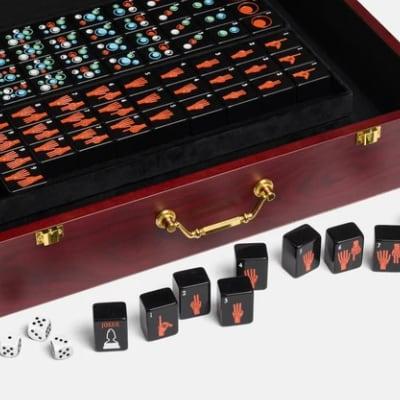
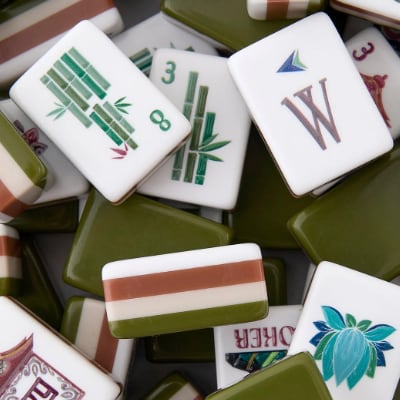
A24's set for Everything Everywhere All at Once was made to honor Asian Americans. It has black tiles with art by Manshen Lo, and preorders opened on Lunar New Year's Day. Nicole Wong, who wrote one of the books on this list, pointed out that its flower tiles are unnumbered, the American way, which doesn't work for many Chinese and Hong Kong styles: "even a set made to honor Asian Americans is not for us."
Three, four, five mats
Babcock owned the rights to the name, so he shared in the profits on sets, candy, clothes and the like. The second boom sells more than sets too.
One of its biggest sellers started with Megan Trottier, who learned mahjong in college, got a set as a graduation gift and didn't play again for years, until a weekly game with friends during COVID. She's an artist, so she made a tile box with her art on it, and it sold. Then a mat. "I was selling through Instagram, packing orders out of my garage and doing pretty much everything myself."
Her company, Oh My Mahjong, had $1 million in sales in 2023 and $40 million in 2025, and passed that in 2026 before the year was out. It's in more than 2,000 stores, including Bloomingdale's and Neiman Marcus. It sells a mat every 10 seconds, and part of the reason, Trottier says, is that "lots of people will have three, four, five mats."
The games the card doesn't cover
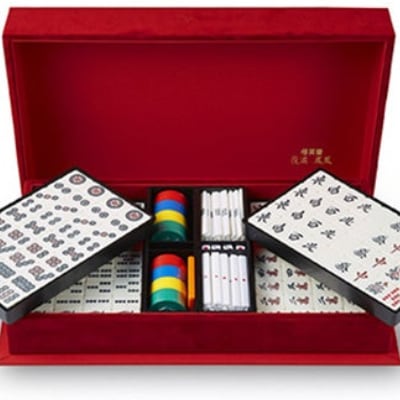
American mahjong is one branch of a game with a lot of them. Nicole Wong's book covers American, Japanese riichi and other styles, with an essay on the hands in the mahjong scene in Crazy Rich Asians. It started with her family: her grandparents taught her in Dunedin, New Zealand, the summer after she finished college, and she wrote down their house rules so they "wouldn't be lost to time." The Chinese set on this list has no jokers and goes with that book, not the card.
For riichi, the Japanese style in Wong's book, Nintendo still makes tiles. Its Yakuman line has been on sale since 1964. Yakuman is the name for riichi's highest-scoring hands, and the Ho-o set is sold only while stock lasts. Riichi has its own following here: Riichi Nomi NYC, which calls itself America's largest riichi club, has seen its tournaments grow from 24 players before COVID to more than 100.
The Hong Kong set on this list would come from Cheung Shun-king, known as Uncle King, who carves tiles by hand at Biu Kee Mahjong, a shop under a staircase on Jordan Road. He takes one day off a year, the first day of Chinese New Year. A set takes him five days, against about an hour in a factory, and he calls machine-made tiles "evenly beautiful, not vividly beautiful." In 2022 a hand-carved set cost HK$5,500, almost three times a machine-carved one. His street is lined with mahjong parlors, and none of them buy tiles from him. He doesn't take apprentices, because learning takes two to three years. The customers who do come are drawn by a nostalgia that's recent, and he isn't sure it will last: "What if a few years later no one feels nostalgia?"
Learning to play
In Manhattan, a Chinese-owned shop on Hester Street called Chop Suey Club opened a mahjong room downstairs in 2024, with lessons and tables for four. Farther from New York, Oh My Mahjong says its teacher program includes thousands of teachers across the U.S. Trottier also wrote Mastering American Mahjong, a beginner's guide she calls "the book I wish I'd had when I was learning."
At the top end is Camp Mahj, two all-inclusive nights of mahjong at the Broadmoor's Cloud Camp, 9,100 feet up in Colorado, with 34 spots per session. The 2026 sessions were in May and September, and next year's dates aren't posted yet.
In conclusion
After the 1920s, Heinz says, the game "dies out as a fad, but pockets of players continue playing the game." Those pockets included Chinese Americans, Japanese Americans in the wartime incarceration camps and the women who started the League. Of today, she says, "We've definitely reached critical mass where it is now a full-on fad." Nobody knows yet which part of this one will last. Last time it was the players and the card they made, so start with the card, or copy this list and add the set you'd want to learn on.
Ready to make your own wishlist?